Current
Recommended
The title tag stays as it is. The category page earned about 49,800 impressions over the last 12 months across its current and legacy addresses; the maintenance page being folded in earned 540 impressions and 1 click. Search Console, 12 months to October 7 2026.
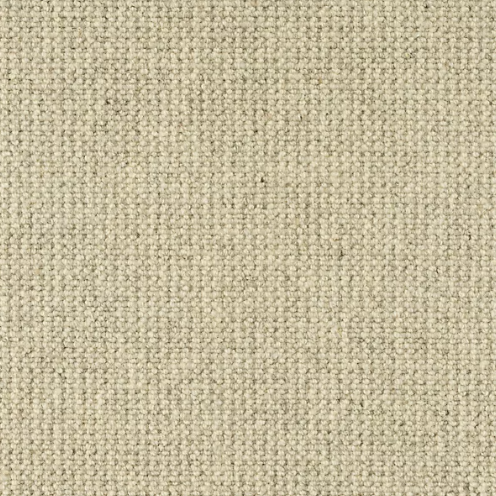
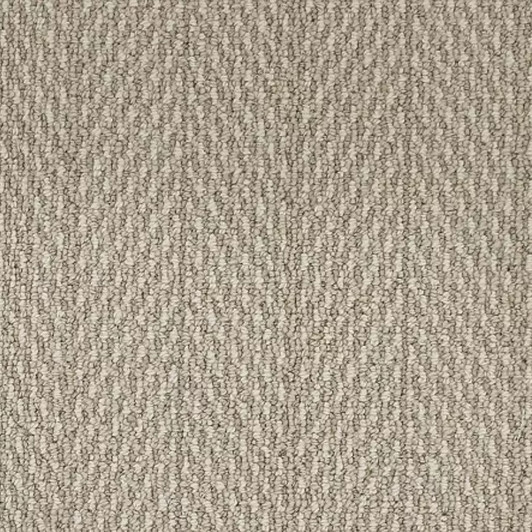
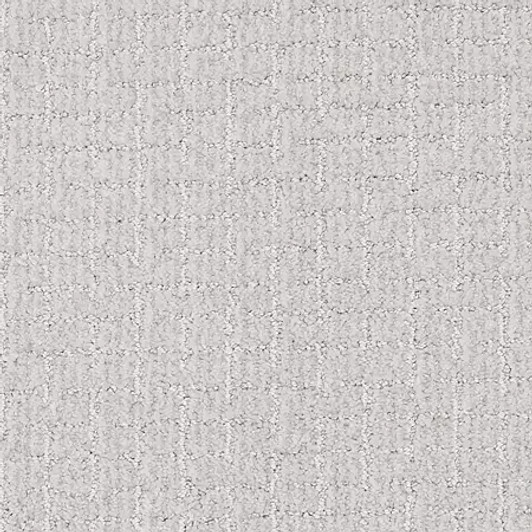
After Mohawk acquired their company in 2018, Godfrey Hirst transitioned from Australian and New Zealand markets to the United States. Now, as a Mohawk brand, Godfrey Hirst continues to bring premium quality carpets to your spaces. They have taken inspiration from Australian designers to bring you the finest in residential carpets. Known as Mohawk’s second high-end brand, Godfrey Hirst is committed to designing, manufacturing, and supplying high-quality flooring that contributes to a more beautiful, comfortable, and sustainable world.
There is something for everyone: wool, nylon, or eco+ Triexta carpets and have the best range of carpets to suit every home, budget, and lifestyle.. Each has a different use so you can get something more high-end or family and pet friendly. Their products will endure messy toddlers through the tough teenage years and beyond.
They are most known for their outstanding wool carpets. Utilizing a farm-to-yarn method, Godfrey Hirst produces its wool in New Zealand to give you exceptional, sustainable wool carpets.
Check out Godfrey Hirst Residential Carpets below for a safe, comfortable, and beautiful interior foundation!
Godfrey Hirst EverLux Collection · Godfrey Hirst Smartstrand Collection
1 2 3 4 5 ›
Godfrey Hirst is a well-established carpet manufacturer with a heritage of over 150 years. Originally founded in Australia, the brand has grown into a global producer of residential and commercial broadloom carpets in a variety of fibers and styles, with a strong reputation for quality, performance, and design.
Proper installation is key to maximizing the performance and lifespan of your carpet. Godfrey Hirst recommends that all carpet be professionally installed in accordance with the Carpet and Rug Institute’s CRI carpet installation standards and the instructions provided in their maintenance and guarantee documentation. Installation considerations include using compatible underlay, planning for extra carpet for future repairs, and preparing your home by removing old flooring and furniture ahead of time.
Godfrey Hirst's care guidance comes down to three habits: vacuum often with the right setting for your carpet, have it professionally cleaned every 12 to 18 months, and treat spills the moment they happen. The details depend on the fiber, and this collection includes wool, triexta, nylon and polyester styles, so the steps below are organized by carpet type where it matters.
Vacuum after your carpet is installed to remove surface lint, dust and fluff. After that, vacuum thoroughly at least once a week, and more often in high-traffic areas. Regular vacuuming removes grit before it works below the pile surface, where it is far harder to remove and can wear the carpet and dull its appearance.
Use three passes on lightly soiled areas and five to seven on heavily soiled areas. Vacuum against the pile first to lift it and loosen dirt, then with the pile for a uniform finish.
| Carpet construction | How to vacuum it |
|---|---|
| Thick, soft cut pile (plush) | Use a high height setting so the brush only lightly touches the surface, with enough suction to lift dirt while the vacuum still moves easily. Avoid very concentrated or sealed suction. |
| Loop pile, long pile, cut-loop and berber | Suction only. Never use a powerhead, beater bar or rotating brush, which can fuzz the pile surface. |
| Other constructions | Use a vacuum with a beater bar to agitate the pile and loosen dirt. |
Choose a vacuum with adjustable height and suction so it suits more than one carpet. A micro filter keeps fine particles such as dust mite allergens in the bag or canister, which matters if anyone in the home is dust sensitive. Empty or change the bag often, since efficiency drops once it is half full, replace filters as the manufacturer recommends, and replace brushes when they wear.
Depending on use, have your carpet professionally cleaned by hot water extraction (steam cleaning) every 12 to 18 months. This removes the oily, sticky, settled soil that gradually dulls carpet color. Godfrey Hirst does not recommend shampooing, do-it-yourself steam cleaning or dry cleaning. [VERIFY: the current guide cites the Australian/New Zealand cleaning standard AS/NZS 3733; confirm which standard Godfrey Hirst references for US customers, if any]
Act immediately. Hot liquids in particular are close to impossible to remove once they cool or dry, and hurried scrubbing can set a stain permanently or distort the pile.
| Fiber | What to use first |
|---|---|
| Triexta (including the SmartStrand styles) | Cold water is all most stains need. Apply it with a sponge or spray without overwetting, then blot or use a wet/dry vacuum. Repeat until no color comes away, then repeat 4 or 5 more times to lift stain hidden in the pile. |
| Wool and wool blends | Warm water, applied immediately. |
| Solution-dyed nylon, polyester and polypropylene | Cold water, applied immediately. [VERIFY: whether the nylon styles in this collection are solution-dyed] |
All Godfrey Hirst wool carpets have an insect-resistant treatment applied during manufacture. The treatment does not stop insects entering your home, and moths and carpet beetles in some areas have built up a tolerance to it, so good housekeeping still matters. Vacuum regularly along baseboards, under furniture and in corners to discourage insects and catch any activity early. For a minor infestation, vacuum the area thoroughly, spray the vacuum contents with insecticide before disposal, and treat the area plus about 6 inches beyond it with an insecticidal spray or dust, following the product's directions. For a serious infestation, call a professional pest control operator.
Georgia Carpet offers Godfrey Hirst residential carpets with expert guidance, competitive pricing, and the support of a flooring specialist team. Customers benefit from Georgia Carpet’s product selection, installation resources, and care guidance, making it easier to choose and maintain the ideal carpet for your home.
Godfrey Hirst provides a range of carpet fibers, including wool, nylon, polyester, and innovative blends with different textures and performance characteristics.
Most likely. Professional installation ensures the carpet performs and wears as intended and aligns with Godfrey Hirst’s standards.
Yes. Blot, never rub, and work from the outside of the spill toward the middle. Godfrey Hirst recommends cold water alone for triexta carpets, warm water for wool and wool blends, and cold water for solution-dyed nylon, polyester and polypropylene. If a stain still shows after repeated treatment, call a professional carpet cleaner right away.
Stain resistance depends on the carpet fiber and treatment, and some products like SmartStrand have enhanced stain resistance built in.
At least once a week, and more often in high-traffic areas. Use three passes on lightly soiled areas and five to seven on heavily soiled areas, first against the pile and then with it.
No. Vacuum loop pile, long pile, cut-loop and berber carpets with suction only. Powerheads, beater bars and rotating brushes can fuzz the pile surface.
Every 12 to 18 months, depending on use, by hot water extraction from a professional carpet cleaner. Godfrey Hirst does not recommend shampooing, do-it-yourself steam cleaning or dry cleaning.
All Godfrey Hirst wool carpets have an insect-resistant treatment applied during manufacture. It does not stop insects entering the home, so regular vacuuming along baseboards, under furniture and in corners is still important.
FAQPage - all eight questions in the FAQ block, including the rewritten stain answer and the four new care questions
The block above is live in this file's <head>. View source to copy it.